

MAINTENANCE OF BURIED VALVES ON MAJOR U.S. PIPELINE
Case Study
Challenge
A pipeline operator wanted to reduce maintenance downtime and upgrade control valves on one of its pipelines, which traverses the northwest portion of Wisconsin to Michigan. The pipeline is a vital piece of infrastructure, used to move about approximately 8% of the NGL produced in North America.
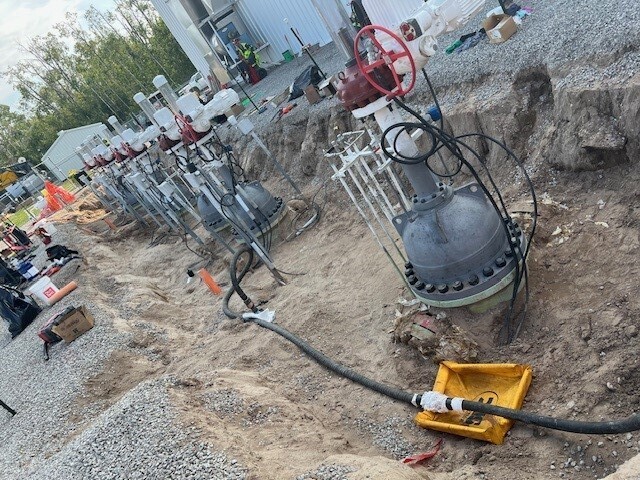
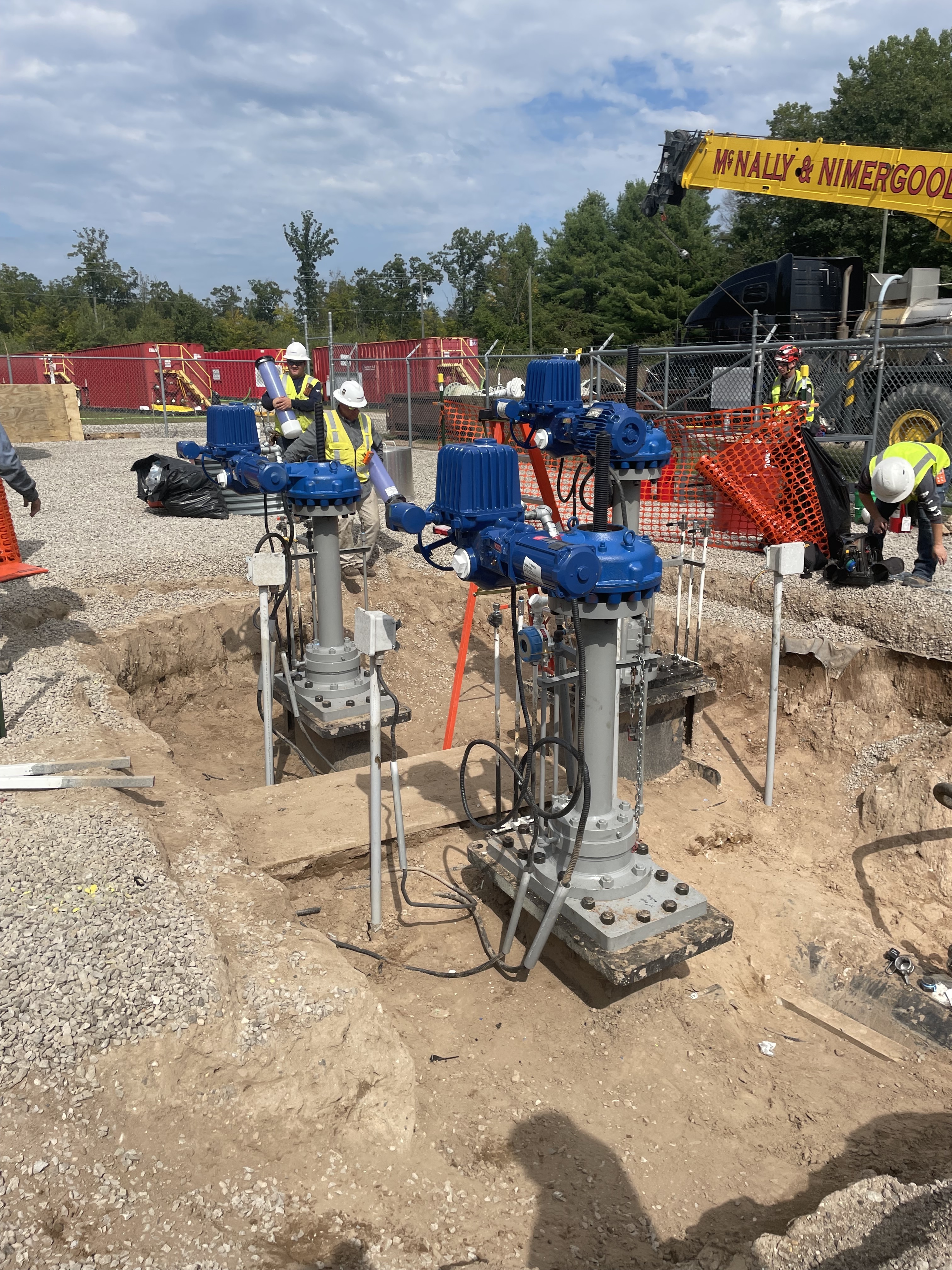
The underground pipeline was built in 1953 to remove oil-carrying tanker traffic from the Great Lakes, and to avoid oil transportation by truck and rail. It has been operated safely by the pipeline operator for over 65 years, thanks to an aggressive prevention program that includes regular inspections, robust maintenance, and 24/7 system monitoring. As part of this program, the operator decided to take advantage of a planned outage to repair 11 in-station control valves on the line. This project was particularly challenging as the valves are buried, and the pipeline needed to be back online within 72 hours.
Solution
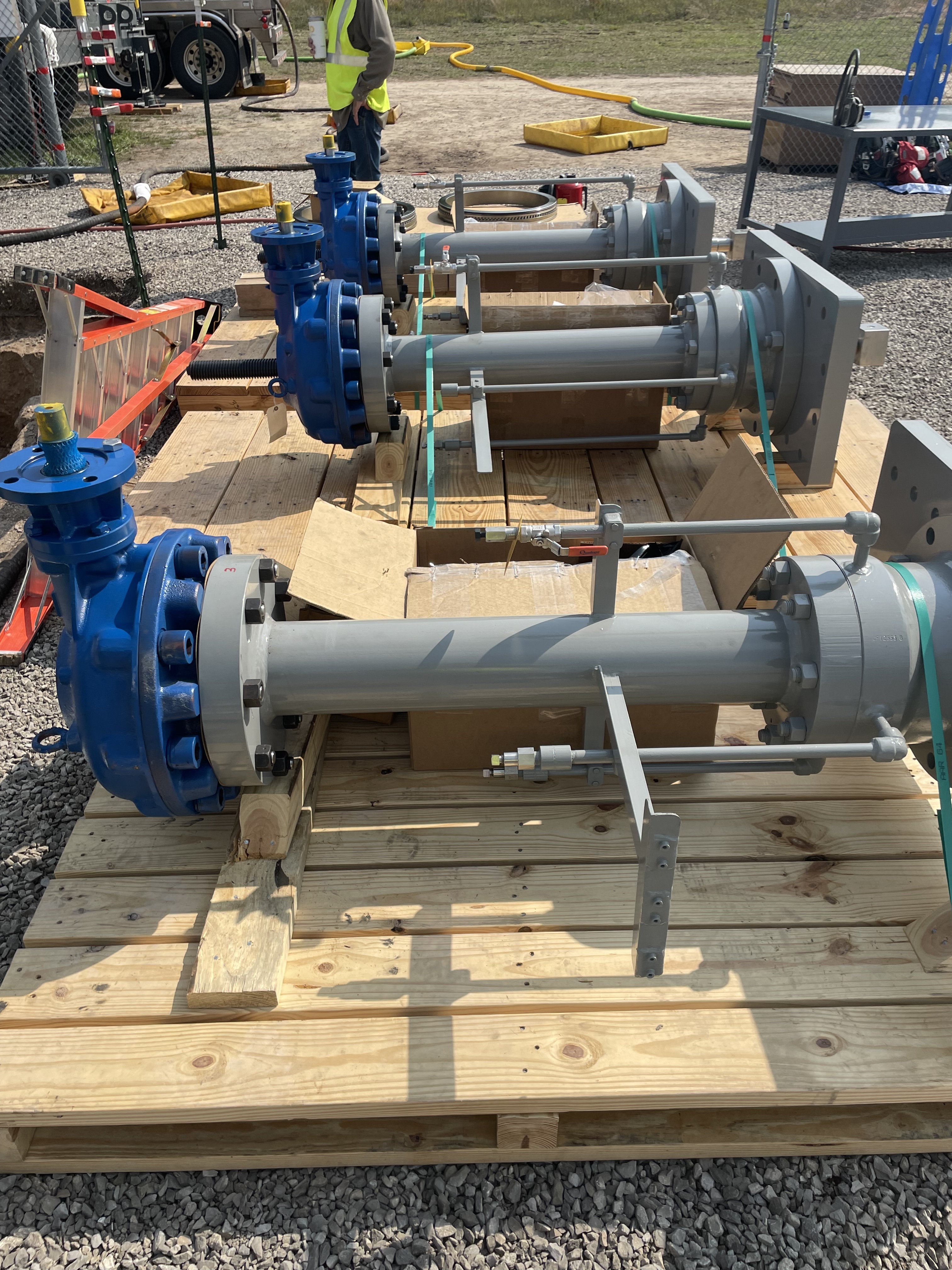
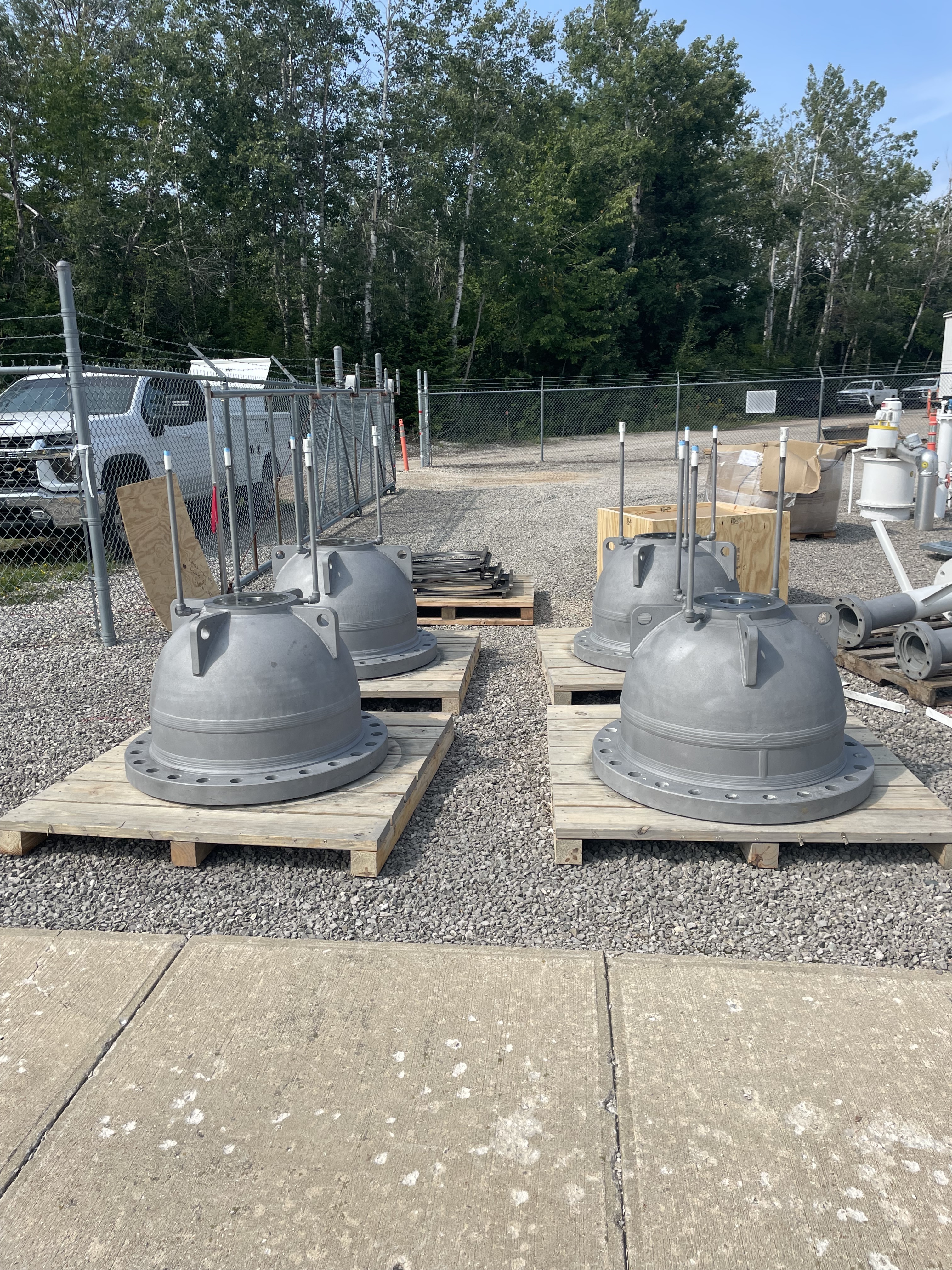
- M&J Valve, a Celeros FT brand, supported their longstanding customer by deploying the parts and personnel necessary to achieve the valve upgrades within the maintenance window. Working in close collaboration with the company’s personnel, the M&J Valve team assembled and supplied repair kits and the necessary spare parts to the site following a strict timetable.
- Five M&J Valve engineers travelled to the control station to undertake the valve upgrades, including the conversion of eight 24” 600 Expanding Gate valves (ESGs) with a new top kit and new gate and segment, and seats. Working long shifts, they completed the work accurately and ahead of the deadline.
Outcomes
This major valve conversion has extended the operational life of the control valves on the line and reduced the likelihood of fugitive emissions by upgrading seals and packing. The conversion of the ESGs to two-piece stem mechanisms will make future valve maintenance less time-intensive and safer, as repairs can be undertaken without the need to excavate the valves.